Hawken's ungraded school has better college outcomes
Hawken runs a traditional graded Upper School and an ungraded Mastery School side by side. The Mastery School shows what happens when real student work becomes the record colleges read.
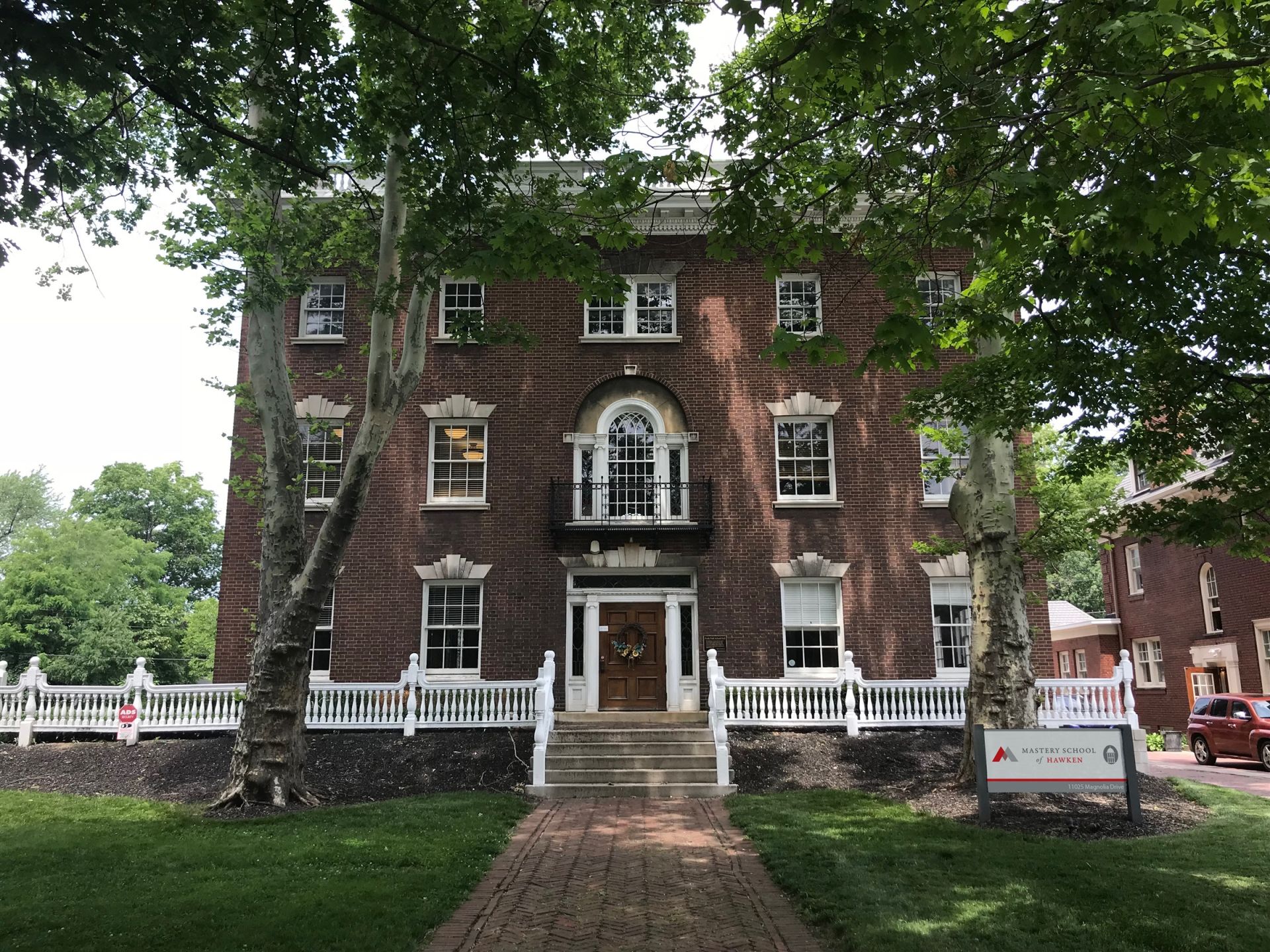
Mastery School of Hawken / Cleveland, Ohio / Independent school
The question every school asks
Schools moving beyond grades worry about one question first: will colleges still understand our students?
Hawken has unusually strong evidence because it runs two high schools inside one institution. The traditional Upper School uses grades and a conventional transcript. The Mastery School of Hawken uses an ungraded Mastery Transcript built from student work, teacher feedback, and demonstrated competencies.
That makes Hawken a rare comparison. Same school family, same long college-counseling history, two different ways of recording learning.
What changed
The Mastery School organizes learning around real-world problems and skill areas rather than academic departments alone. Students earn Mastery Credits when their work meets the standard. Time is flexible. The standard is not.
The record colleges receive reflects that design. Instead of reducing four years of work to a GPA, the Mastery Transcript gives admissions readers a compact view of what a student can do, with evidence underneath for readers who want to go deeper.
What happened
The first Mastery School graduates applied to college using only an ungraded Mastery Transcript. They reached highly selective colleges, including Harvard, Stanford, Dartmouth, Duke, Northwestern, Georgetown, Carnegie Mellon, UC Berkeley, UCLA, University of Michigan, Washington University in St. Louis, Emory, Vanderbilt, Bowdoin, Carleton, Claremont McKenna, Wesleyan, Macalester, NYU, Boston University, and The Ohio State University.
More than 60% of Mastery School graduates have attended a top-50 college or university. The first 61 graduates earned 75 top-50 acceptances.
What this proves
The Mastery School story does not ask colleges to take an untested idea on faith. It shows that when a school defines clear competencies, gathers strong evidence, and sends a transcript designed for readers, students can be understood without grades or GPA.
For schools considering the move, Hawken answers the practical fear behind the philosophical argument: colleges can read this record, and students can succeed with it.