Giving Credit Where It’s Due: Education Reimagined with MTC Learning Record

When I think back to the learning I did when not in school, it all revolves around Michael. Michael organized a block party with all the kids in our neighborhood (that tradition is still happening 45 years later). He organized a theater group, a community carnival, and neighborhood games - the list goes on and on.
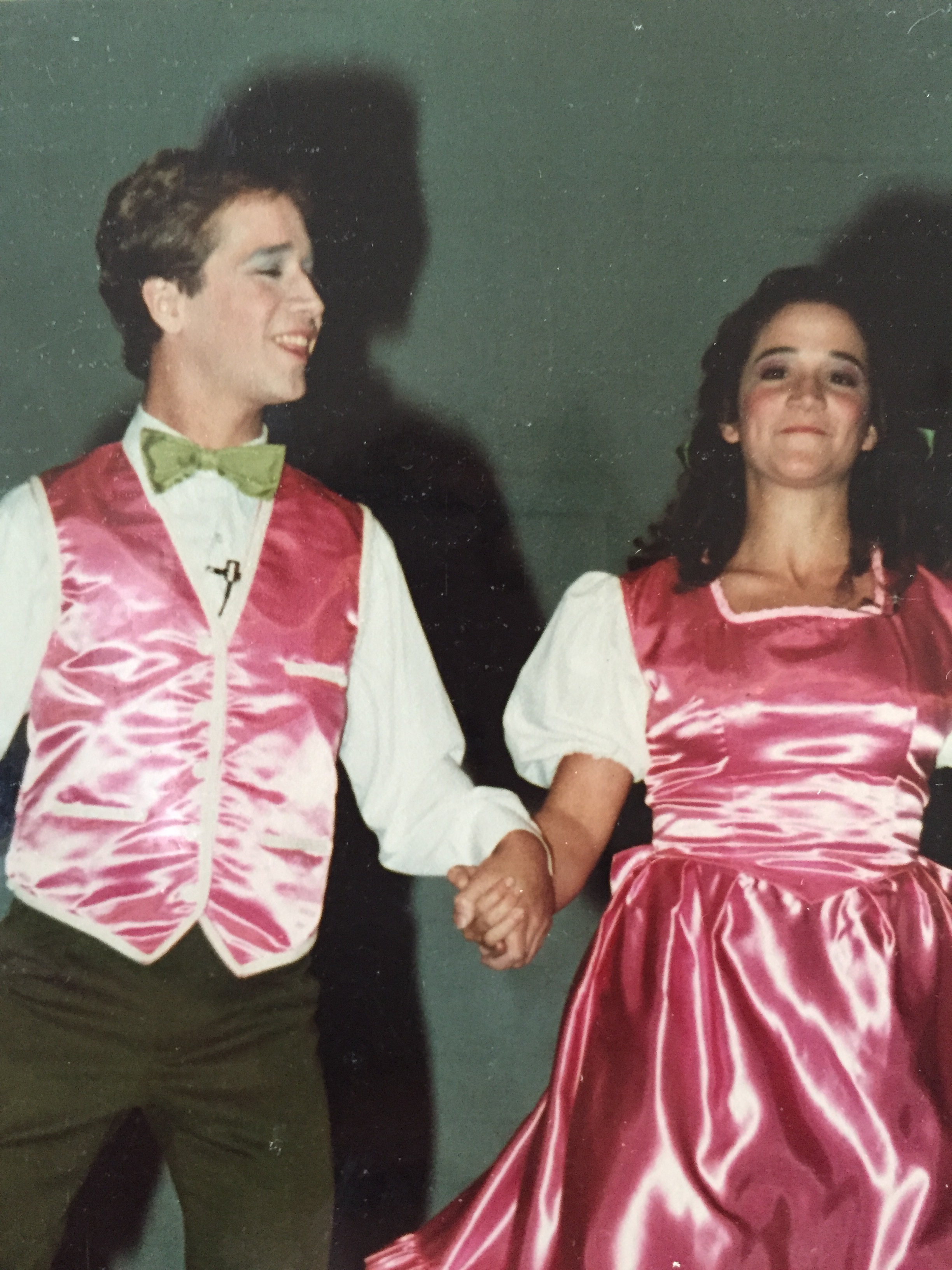
Michael and Bobbi in George M! at Homewood Flossmoor High School, 1982
School for Michael was just a place to endure when it came to learning. Instead Michael demonstrated true hands-on success through actual experiences. He also had an ability to leverage transferable skills as a "non-traditional learner." Throughout high school Michael published a successful student-run newspaper called The Progressive Voice. He organized writers, photographers, editors, distributors, and more. He built teams of people, included everyone, and made us all feel special, like we belonged.
No credit was given for this work as it didn't fit into the predetermined curriculum of the English department, the math department, or any department—and yet, the learning was there. Michael went on to be a successful actor and artist, he started multiple companies as an entrepreneur, and he continued to bring joy and love to everyone around him.
If school, as an organization, recognized gifts like those Michael shared so freely with us, I wonder what school could have meant to Michael. What if we expanded our vision for credentialing learning to make sure that every student feels successful and empowered as a learner, no matter where the learning happens?
In my work with Education Reimagined, I have spent the past year exploring a transformational vision for education in which the world is a playground for learning. Learner-centered education is an approach where students pursue learning that is a match to who they are, how they learn, and their goals and aspirations for the future, relationships are prioritized, and supports are provided for each young person to grow, learn, and thrive. Likewise, this approach not only recognizes the vibrant learning landscape beyond a classroom or school building but prioritizes it (we use the term “open-walled” to call out that priority).
OPEN-WALLED learning acknowledges that learning happens at many times and in many places and intentionally leverages its expansive nature in the learner’s development of competencies. It creates and takes full advantage of opportunities in a variety of communities, settings, times, and formats. All learning experiences, whether highly structured or exploratory and experiential, are valued, encouraged, and integrated into the learner’s journey. (For more, see the full description in the Education Reimagined Practitioner’s Lexicon and check out The Big Idea).
A key challenge to address is how exactly we can credential meaningful, open-walled learning. Our working group this past year found that credentialing learning outside of "school" is closely tied with learner agency. Ultimately, this type of credentialing is a vehicle for learners to communicate and evidence competencies that unlock opportunities across varied pathways. Can you imagine what Michael’s learning journey might have looked like if his education had allowed for this kind of credentialing? How many children would benefit from this expansive view, and what it would do for communities to have learners engaged in projects and activities they are passionate about with the support and nurturing of dedicated teachers, mentors, and other learners in the community?
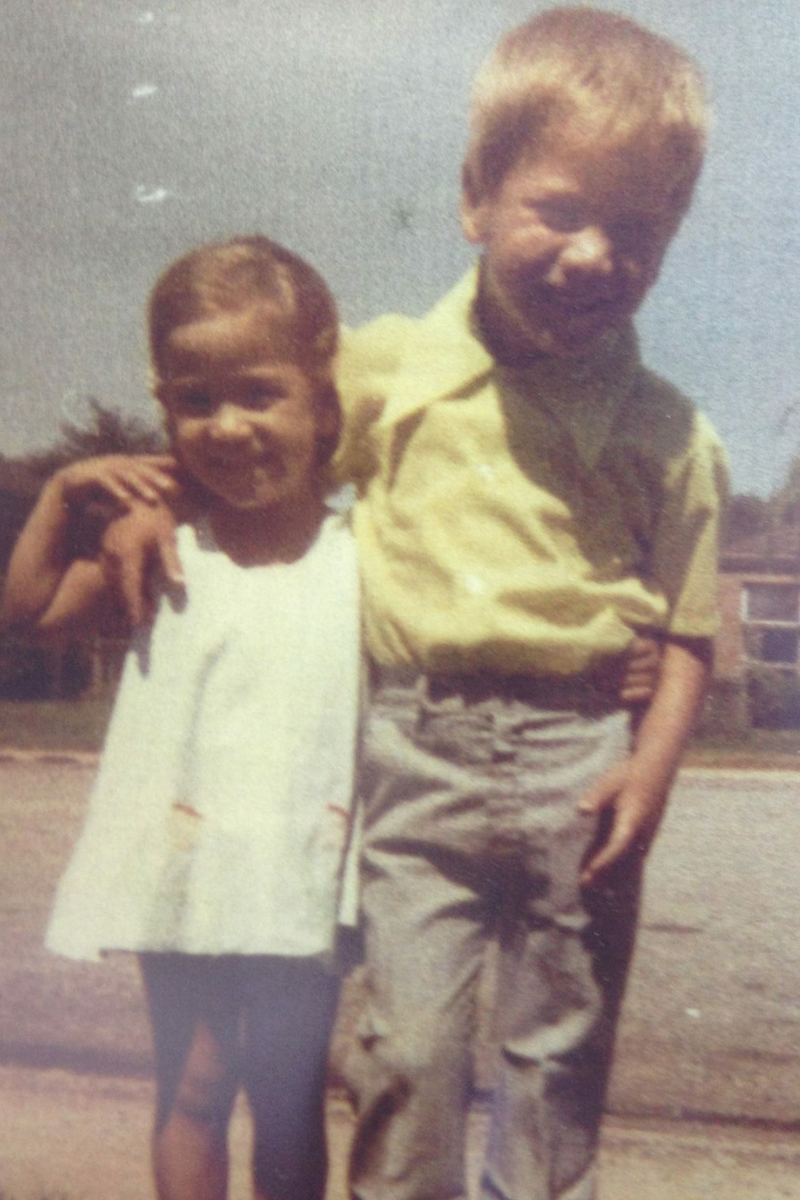
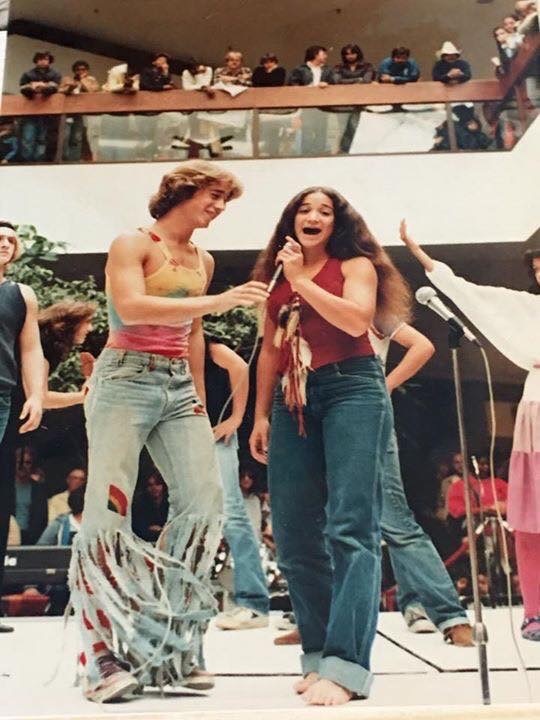
Bobbi and Michael on the block, Southside of Chicago, 1970
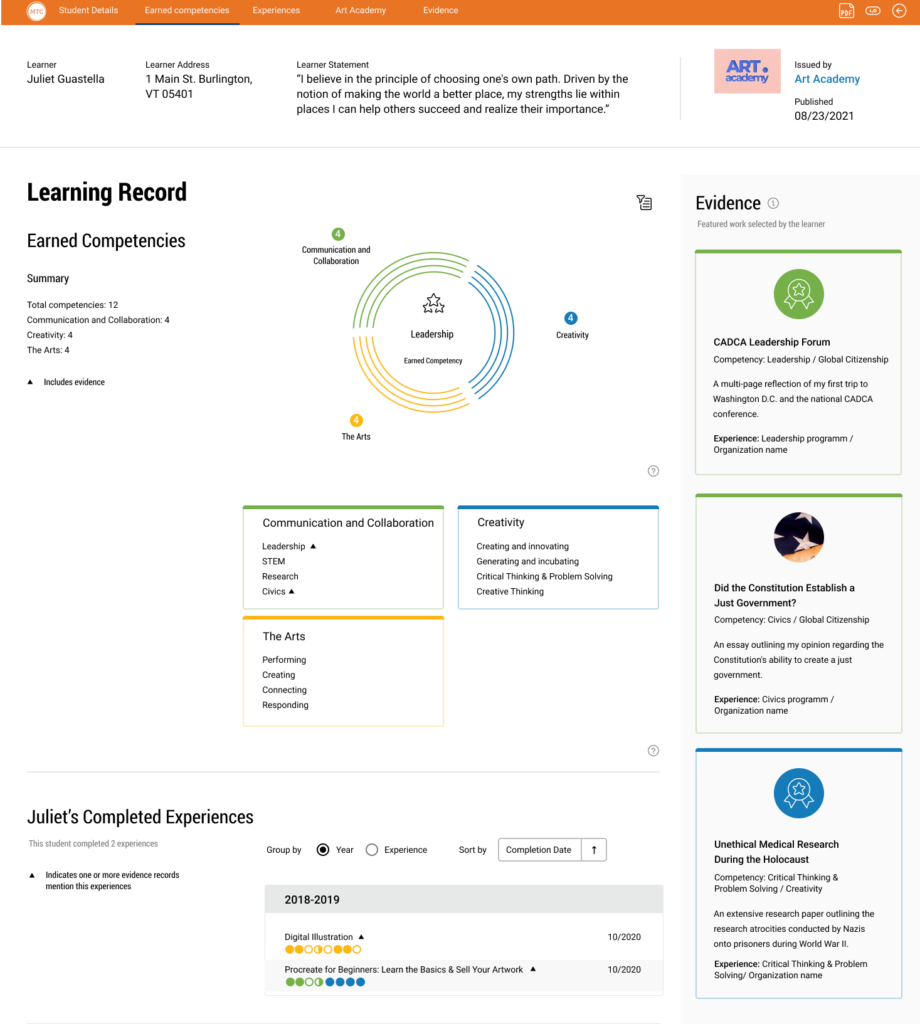
The good news is that there are many valuable out of school/after-school programs where learners are engaged with active support. However, that learning is not often captured in a way that can be readily communicated by learners and “integrated” into their schools. Furthermore, our antiquated systems are limited in defining what experiences make learning meaningful. It is up to us to imagine and create transformational, interconnected communities of learning that serve every student. I am excited for Mastery Transcript Consortium’s unveiling of their MTC Learning Record (MLR) this fall which will further help combine and bridge in and out of school learning.
Reflecting on the MLR’s potential benefits, I think of how it could acknowledge and inspire learners like my brother, Michael, to pursue their passions and interests, and have those learning experiences count as we continue reimagining a world that appreciates all the ways in which students learn.
Dr. Bobbi Macdonald serves as the Senior Partner for Ecosystem Growth and Advancement for Education Reimagined, a nonprofit organization dedicated to a transformational vision for education. Her previous work as Executive Director of City Neighbors in Baltimore sought to provide an answer to the question, “What would it take for every student to be known, loved, and inspired?” That question remains at the heart of her work today. Bobbi most recently completed her Doctorate in Education Leadership from Harvard University.